

PTSD treatment options generally start with psychotherapy, medication, or a combination of the two. For many people, that care makes a real difference. For others, progress is slower or less complete than they hoped, and they begin to wonder what else might be worth exploring.
This guide covers the main PTSD treatment options, why some people look further, and what research currently says about ketamine. It is meant to educate, not to diagnose or promise results.
What Are the Main PTSD Treatment Options?

Two main types of care are generally used:
- Psychotherapy. Often called talk therapy, it can happen one on one or in a group. Many types are used, including trauma focused approaches that help people work through difficult memories at a manageable pace.
- Medication. Antidepressants are commonly prescribed and may help with some symptoms. Other medications are sometimes used for specific concerns, such as sleep problems.
Some people use one approach. Others use both. The best fit depends on the person, which is why working closely with a therapist and prescriber matters.
Why Some People Look for More PTSD Treatment Options
People respond to treatment differently, and improvement often comes gradually. An experienced mental health professional can help find a plan that fits a person’s symptoms and needs. When symptoms have not eased the way someone hoped, it is worth raising that with their care team.
That can be hard to live with. Many people who have stayed committed to therapy and medication feel tired, frustrated, or unsure what comes next. Asking about more PTSD treatment options is not a sign of giving up. It is a way of continuing to look for the right fit.
It also does not mean walking away from current care. Anyone considering a new option should keep their current care team part of the conversation.
What Does Research Say About Ketamine for PTSD?
Ketamine acts differently than traditional antidepressants. Researchers have studied it for several conditions, including treatment resistant depression and PTSD.
Research reviews describe encouraging early findings for PTSD, and many of the side effects discussed are short lasting. They also note that the long term effects of ketamine are still unclear.
In plain terms, the research is encouraging but still developing. Ketamine is not a first line treatment for PTSD, and it is not a replacement for therapy or medication. For some people, it is an option worth discussing with a provider.
How Scenic City Neurotherapy Approaches PTSD Treatment in Chattanooga
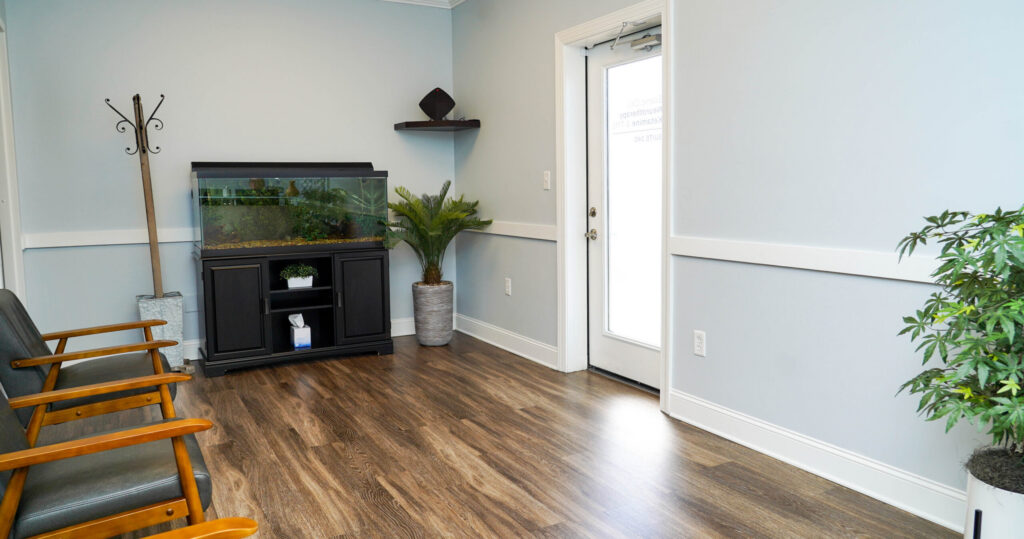
Scenic City Neurotherapy is a brain health clinic in Chattanooga, Tennessee, focused on restoring brain function through individualized, research driven care. Our ketamine infusion therapy is delivered through MSKIT® (Minimally Stimulated Ketamine Infusion Therapy), our proprietary protocol. Treatments are administered by Certified Registered Nurse Anesthesiologists (CRNAs) in a comfortable, private setting. We have been serving patients since 2019, and we are an active research site.
You can learn more about how we support people exploring care for PTSD on our PTSD treatment page, or read about the Scenic City difference.
For veterans, we are a contracted VA Community Care Network provider. Veterans with a VA referral are eligible for coverage through their VA benefits for both ketamine therapy and TMS. The first step is asking a VA provider for a Community Care referral. From there, our team confirms the referral, schedules the consultation, and helps with the paperwork. You can read the details on our SCN Service Program page.
Every plan starts with a conversation. During a consultation, a provider reviews a person’s history, asks what has been tried so far, and helps explain which options may be worth exploring.
Our PTSD page describes ketamine as something that may work best together with trauma focused therapy. Infusion sessions themselves are quiet and restful, and no one is asked to talk about their trauma during treatment. We also offer TMS therapy as a different path for some people.
Questions to Ask When Comparing PTSD Treatment Options
A little preparation can make any consultation more useful. Some questions worth bringing:
- Which therapies and medications have been tried, and for how long?
- How might ketamine infusion therapy fit with current care?
- What does the research support, and where is it still uncertain?
- What does the treatment process look like from the first visit forward?
- If a veteran, how do VA Community Care referrals work?
Frequently Asked Questions About PTSD Treatment Options
What are the most common PTSD treatment options? Psychotherapy, medication, or a combination of both are the main approaches.
Is ketamine a first line treatment for PTSD? No. Therapy and medication are the main established approaches. Research on ketamine for PTSD is still developing, and long term effects are not yet clear.
Does Scenic City Neurotherapy work with veterans? Yes. We are a contracted VA Community Care Network provider. Veterans with a VA referral are eligible for coverage through their VA benefits for ketamine therapy and TMS, and our team helps with the referral process. You can call (423) 228-0579 to talk it through.
How do I know if it is time to explore other PTSD treatment options? There is no single answer. A good starting point is a conversation with the current care team. Some people also schedule a consultation to learn what other options exist and whether any might fit.
Where can I find PTSD treatment options in Chattanooga? Scenic City Neurotherapy serves Chattanooga and nearby communities, including Cleveland, Hixson, Ooltewah, Knoxville, Dalton, Ringgold, and Birmingham.
Related Reading From Our Providers
- Understanding Complex PTSD: Signs, Root Causes, and How to Heal
- Reclaiming Your Life: How Neurotherapy Helps PTSD Survivors Break Free from the Grip of Trauma
- One Veteran’s Story with Ketamine Therapy
Follow us! @sceninccityneuro
Ready to explore your options? Learn more about our approach to PTSD or request a consultation. A provider will reach out within one business day. There is no cost and no obligation.
If you are in crisis, call or text 988 (Suicide & Crisis Lifeline).