
With the analysis of more than 24 articles that included clinical trials, it is confirmed that Ketamine Infusion Therapy is effective at reducing suicidal ideation. Ketamine has also been shown to help reduce suicidal ideation for those suffering from terminal illnesses such as cancer. In a study focusing on ketamine for suicidal ideation, three days post-infusion, there was a reduction of 90.7% in the Beck Hopelessness Scale scores.
The symptoms of suicidal ideation vary from person to person. These symptoms might include:
Something led you to seek treatment. It could be a number of things such as trauma, an unhealthy environment, inadequate coping skills, or even genetic components out of your control. Treatments plans for suicidal ideation may includemore than just our process. It could be a combination of the following:
Ketamine has been safely used in medical settings since the 1970s. When administered at low, controlled doses by our trained professionals, it is considered safe and is monitored closely to ensure patient stability throughout the infusion process.
Yes. For individuals whose suicidal ideation has not responded to traditional treatments like antidepressants, Minimally Stimulated Ketamine Infusion Therapy (MSKIT®) offers an effective pathway by improving brain function and relieving symptoms when other approaches have been ineffective.
With traditional suicidal ideation treatments like antidepressants, it can sometimes take weeks or even months before a patient experiences relief from symptoms. In fact, many typical antidepressants only bring relief in around 35% of patients. Ketamine is a promising treatment option because in some cases it can provide relief from symptoms within days or even hours.
Ketamine increases neuroplasticity, your brain’s ability to form healthier patterns, helping reduce symptoms of depression, anxiety, chronic pain, PTSD, migraines, and other cognitive disorders.
Some patients notice subtle shifts within hours, while others begin to feel meaningful change gradually throughout the Stabilization Phase and beyond. There’s no standardized timeline, as individual responses naturally differ. Minimally Stimulated Ketamine Infusion Therapy (MSKIT®) opens the door for change, and your ongoing work helps guide how that change takes shape. Through neuroplasticity, MSKIT® opens a window where your brain can more easily build healthier patterns: new thoughts, behaviors, habits, and emotional responses. Actively practicing those healthier choices during this time is what makes the difference. The more you engage with these new patterns, the stronger and more sustainable they become.
Ketamine’s benefits can last weeks to several months, but duration varies from person to person. Results depend on the brain’s baseline health, how well new neural capacity is supported, and whether the patient continues healthy brain-care practices after treatment. Many patients maintain progress with periodic booster sessions as needed.
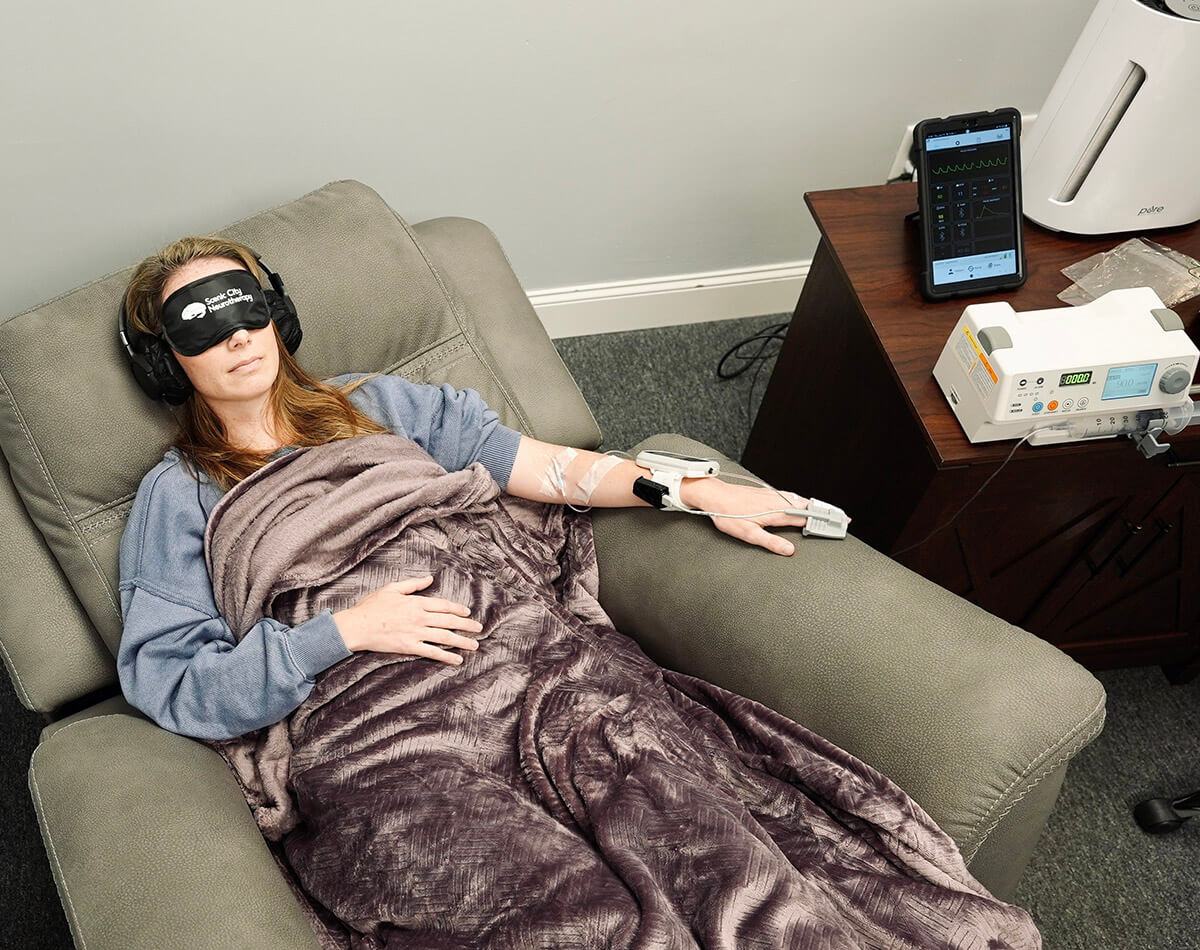
You’ll be in a private, calm environment with continuous monitoring. You will be given eye shades, a blanket if you’d like. You’ll dress comfy. Most people describe the feeling as light, floaty, or similar to nitrous oxide at the dentist. The feeling is temporary and a result of the ketamine.
Stabilization includes six infusions over three weeks. After that, booster sessions are scheduled based on your individual progress and goals.
Most people describe the feeling as light, floaty, or similar to nitrous oxide at the dentist.
You can't mess up Minimally Stimulated Ketamine Infusion Therapy (MSKIT®). The neurological cascade that ketamine initiates in your brain is a biological process that unfolds on its own. You cannot stop it, change it, or do it “wrong.” The vivid thoughts or emotions you may experience during a session are temporary, medication-driven experiences, similar to dreaming, and they do not determine your outcome or hold deeper meaning.
To learn if Ketamine Infusion is the right treatment option for you, contact us today.