Transcranial Magnetic Stimulation (TMS) is a cutting-edge, non-invasive treatment designed to help individuals struggling with treatment-resistant depression, anxiety, and OCD. Unlike traditional treatments such as medication or therapy alone, TMS stimulates specific brain areas responsible for mood regulation using targeted magnetic pulses. At Scenic City Neurotherapy (SCN), we use advanced neuronavigation technology and the SNT Protocol to provide an exact and practical TMS experience.
If you are considering TMS therapy for yourself or a loved one, you may have questions about the process, its effectiveness, and what to expect before treatment begins. This guide will walk you through everything you need to know about pre-TMS treatment, preparing you for a successful therapy journey. Prefer a video format? Watch here: Key Steps for Navigating Transcranial Magnetic Stimulation.
TMS therapy involves sending painless magnetic pulses into targeted areas of the brain, specifically the dorsolateral prefrontal cortex. This part of the brain plays a key role in mood regulation, and in individuals with depression, it often shows reduced activity. TMS works by stimulating neurons in this area, effectively rewiring neural pathways to restore balance and resolve symptoms.
At Scenic City Neurotherapy, we use advanced neuronavigation technology to ensure precision in targeting these key areas in the brain. This technology allows us to map each patient’s brain for an optimized treatment plan, setting us apart from other clinics.
TMS is an FDA-approved treatment for major depressive disorder (MDD), anxiety, and OCD. It is particularly beneficial for individuals who have not responded well to medications or traditional therapy. You might be a good candidate for TMS if you:
A consultation with our SCN Care Team will help determine whether TMS is the right option for you. If needed, we can also discuss other potential options, like Minimally Stimulated Ketamine Infusion Therapy ((MSKIT®).
If you and the SCN Care Team decide to proceed with TMS registration, here’s what to expect.
Before treatment begins, you will undergo a detailed evaluation with our TMS Care Team. During this session, we will:
If you’re approved for TMS therapy after your evaluation, here’s what to expect before your first session.
Your first session is called the ‘mapping’. Mapping is a fancy term for ‘locating’ the area of the brain to be treated. For the treatment of depression, this area is called the left dorsolateral prefrontal cortex, which is just above the left eyebrow.
At SCN, we use advanced neuronavigation technology to ensure that the TMS pulses are precisely targeted. This personalized mapping process improves the effectiveness of treatment by ensuring that the magnetic stimulation reaches the correct areas of the brain.
During the mapping visit, we will determine your ‘motor threshold’ (the amount of energy required to invoke a stimulus). Once complete, you will receive your first treatment. Your treatments will be administered by a rTMS Therapy Certified Technician.
The day-of your first TMS session it’s best to:
Your first session will last around 60 minutes, as we take time to ensure optimal placement and comfort.
For classic TMS (rTMS), future sessions typically last approximately 20 minutes and are scheduled one treatment per day, Monday-Friday, for 6 weeks with a 3-week wean, totaling 36 sessions.
If you choose to undergo the SNT protocol, the iTBS or theta burst treatments, will last approximately 3-minutes each, 10 sessions per day for five consecutive days, totaling 50 iTBS sessions.
Our TMS protocols do not require anesthesia or a head cap, and they do not interfere with your medications.
Every individual responds differently to TMS therapy. Some patients experience noticeable improvements in mood within 2-3 weeks, while others may take the full treatment cycle to experience significant relief.
TMS has minimal side effects compared to medications. The most common ones include mild headaches or scalp discomfort, which usually subside within a few sessions. There is a very small risk of seizure, but this is extremely rare, especially with our advanced targeting methods.
SCN also offers ketamine-assisted TMS for patients who may benefit from an additional boost in brain plasticity.
Yes! Since classic TMS does not require sedation or downtime, you can immediately return to your daily routine, work, and driving after each session.
While the SNT protocol does not require sedation, you will need to plan for a more intensive week with the following considerations:
For both protocols, if you choose to incorporate ketamine into your treatment plan, please arrange for a driver, as you won’t be able to drive yourself. For detailed guidance on this, be sure to watch our Key Steps for Navigating Minimally Stimulated Ketamine Infusion Therapy (MSKIT®) video.
At SCN, we take a personalized and science-driven approach to TMS therapy. Our clinic stands out due to:
We are committed to providing evidence-based, compassionate care that helps our patients regain control of their mental health.
If you are ready to explore TMS as a treatment option, we invite you to schedule a no-cost consultation at Scenic City Neurotherapy. Our team will guide you through the process and help you determine if TMS is right for you.
Contact us today and take the first step toward lasting relief.
About Scenic City Neurotherapy
Founded in 2019, Scenic City Neurotherapy is at the forefront of advanced and comprehensive treatments for those facing treatment-resistant conditions. Our mission is to optimize brain function and elevate well-being through cutting-edge therapies. We specialize in two pioneering approaches: Minimally Stimulated Ketamine Infusion Therapy (MSKIT®) and Transcranial Magnetic Stimulation (TMS).
If you are exploring innovative solutions for mental health, chronic pain, and other neuro-degenerative conditions, Scenic City Neurotherapy offers transformative treatment options. Join us in leading the charge towards groundbreaking brain optimization treatments and empowering individuals to reclaim their lives.
Contact Founder and Chief Medical Officer, Charles Miller today to learn more about our proven protocols for Minimally Stimulated Ketamine Infusion Therapy (MSKIT®). Call 423-228-0579 or visit www.ScenicCityNeuro.com.
Neurotherapy is at the forefront of medical innovation, offering groundbreaking solutions to enhance brain health and treat conditions like depression, anxiety, PTSD, and neurodegenerative disorders. As researchers uncover new ways to optimize brain function, one of the most promising developments in this field is the emergence of neuroplastogens, a class of compounds that can drive lasting changes in brain plasticity.
Among the leading figures in this field is David E. Olson, whose pioneering research in 2018 demonstrated how psychoplastogens can promote neuroplasticity and restore neural networks affected by mental health conditions. As these innovations gain traction, Scenic City Neurotherapy remains committed to integrating the latest advancements to provide the most effective, science-backed neurotherapeutic solutions.
Neuroplastogens are a novel class of therapeutics that enhance neuroplasticity, the brain’s ability to reorganize and form new connections. Unlike traditional antidepressants, which can take weeks to work and often yield limited efficacy, neuroplastogens show rapid and enduring effects by promoting structural and functional changes in the brain.
David E. Olson, a leading neurochemist and professor at the University of California, Davis, has been instrumental in uncovering the potential of these compounds. His research indicates that neuroplastogens can stimulate synaptogenesis (the formation of new synaptic connections) and increase the growth of dendritic spines, essential structures for communication between neurons. By doing so, they provide long-term relief from mood disorders, cognitive decline, and neurological injuries.
Traditional treatments such as SSRIs (Selective Serotonin Reuptake Inhibitors) and electroconvulsive therapy (ECT) have long been the gold standard for treating mental illness. However, these treatments come with limitations, such as:
Neuroplastogens, in contrast, work rapidly by inducing lasting neuroplastic changes within hours or days rather than weeks. Thus, they have the potential to provide immediate symptom relief while offering sustained benefits over time.
Several neuroplastogens are currently being researched and show remarkable potential in clinical applications:
Clinics like Scenic City Neurotherapy are leading the way in the evolving field of neurotherapy. With emerging treatments like neuroplastogens, we’re poised to integrate the latest scientific advancements, ensuring that patients benefit from the most innovative and effective care.
At Scenic City Neurotherapy, we emphasize personalized, evidence-based solutions. Current treatments like ketamine therapy and TMS are already transforming patient outcomes, and as neuroplastogens become more available, they will revolutionize brain health even further.
The future of neurotherapy looks bright with the potential of neuroplastogens. As these treatments evolve, Scenic City Neurotherapy remains dedicated to offering the most advanced therapies, ensuring patients receive personalized care for long-lasting relief and mental wellness.
Stay tuned with Scenic City Neurotherapy for the latest advancements in neurotherapeutic treatments because the future of brain health is just beginning.
About Scenic City Neurotherapy
Founded in 2019, Scenic City Neurotherapy is at the forefront of advanced and comprehensive treatments for those facing treatment-resistant conditions. Our mission is to optimize brain function and elevate well-being through cutting-edge therapies. We specialize in two pioneering approaches: Minimally Stimulated Ketamine Infusion Therapy (MSKIT®) and Transcranial Magnetic Stimulation (TMS).
If you are exploring innovative solutions for mental health, chronic pain, and other neurodegenerative conditions, Scenic City Neurotherapy offers transformative treatment options. Join us in leading the charge toward groundbreaking brain optimization treatments and empowering individuals to reclaim their lives.
Contact Charles Miller, Founder and Chief Medical Officer, today to learn more about our proven protocols for Minimally Stimulated Ketamine Infusion Therapy (MSKIT®). Call 423-228-0579 or visit www.ScenicCityNeuro.com.
Deciding to taper off antidepressants is a significant and deeply personal decision. While antidepressants can be lifesaving for many individuals, there may come a point when you feel ready to move forward without them. Whether it’s because of side effects, a desire to explore alternative therapies, or simply reaching a point in your mental health journey where medication no longer feels necessary or aligned with your goals, the process of tapering off requires thoughtful planning and support.
In this blog, we’ll explore the tapering process, the role of professional guidance, and how Neurotherapies like Minimally Stimulated Ketamine Infusion Therapy (MSKIT®) and Transcranial Magnetic Stimulation (TMS) can assist in making this journey a success.
Our video, “The Impact of Medications on Mental Health: SSRIs vs. Ketamine Infusion Therapy,” is an excellent starting point for anyone curious about the science behind antidepressants and their effects. This video will empower you with the knowledge you need to make informed decisions about your mental health care. You can watch the video here.
Antidepressants work by adjusting the balance of neurotransmitters in the brain, such as serotonin, norepinephrine, and dopamine. These chemicals influence mood, energy levels, and overall emotional well-being. When starting antidepressants, it often takes weeks to notice their full effects. Similarly, when tapering off, the process should be gradual to give your body and brain time to adjust.
Abruptly discontinuing antidepressants can lead to withdrawal symptoms, sometimes referred to as antidepressant discontinuation syndrome. These symptoms may include:
Understanding how these medications work and their potential withdrawal effects emphasizes the importance of a gradual, carefully monitored tapering process.
The decision to taper off antidepressants should never be made lightly. Always consult your prescriber before making any changes to your medication regimen. Some common reasons people consider tapering include:
Regardless of the reason, professional guidance is vital for a successful transition.
At Scenic City Neurotherapy, we collaborate closely with patients and their prescribing doctors to ensure a safe and supportive transition off antidepressants. This process typically involves the following steps.
Your journey begins with an open and honest discussion with your prescriber. Share your reasons for wanting to taper off and ask about your options. Some antidepressants require a more gradual taper due to their half-life and how the body metabolizes them.
There is no one-size-fits-all approach to tapering off antidepressants. Your provider will likely create a tapering schedule based on the following:
For instance, tapering off selective serotonin reuptake inhibitors (SSRIs) like sertraline may require a different timeline compared to serotonin-norepinephrine reuptake inhibitors (SNRIs) like venlafaxine.
As you taper, journal any physical or emotional symptoms you experience. This can help your provider adjust your plan as needed. Additionally, it’s essential to distinguish between withdrawal symptoms and a potential return of depression or anxiety.
Before you begin tapering off antidepressants, it’s crucial to establish a strong support network of friends, family, or therapists who can offer encouragement and understanding. This foundation of support will help you navigate the process more smoothly. As you taper, continue to lean on this network for emotional support, reassurance, and guidance. Whether it’s talking through challenges, celebrating progress, or simply having someone to listen, having a reliable support system is key during and after the tapering journey.
Before deciding to taper off antidepressants, it’s important to establish a solid foundation of self-care and healthy habits that will support your mental well-being throughout the process. Once you begin tapering, continue to prioritize these habits to help maintain emotional balance and physical health:
Your tapering plan may need adjustments along the way. If you experience significant withdrawal symptoms or a return of depressive or anxious thoughts, don’t hesitate to reach out to your provider to modify your plan.
Tapering off antidepressants isn’t without its challenges. Here are some common hurdles and strategies to overcome them:
At Scenic City Neurotherapy, we offer an innovative approach to mental health treatment that enhances emotional regulation, cognitive processing, trauma resolution, and overall mood. Unlike traditional antidepressants, which primarily boost neurotransmitter levels, our Neurotherapies focus on stimulating large-scale neuronal regrowth and reopening neural pathways, addressing the root causes of mental health challenges.
Imagine your brain as a network of roads. Antidepressants add more cars to the road, but if the roads are closed, those cars can’t reach their destination. Our Neurotherapies work to repair and restore these pathways, ensuring that signals flow freely and brain communication is restored.
Whether or not antidepressants are part of your treatment plan, our goal is to improve your brain’s ability to function by optimizing these critical pathways. Without this, it’s like driving on closed roads – progress becomes limited.
While antidepressants are not an obstacle to participating in our process, many patients find that after experiencing the benefits of our therapies, they are ready to taper off medication. This should always be done in consultation with your prescribing doctor, and we will work closely with them to support you in this transition if it’s aligned with your goals.
Tapering off antidepressants is a journey that requires patience, thoughtful preparation, and the right support. With professional guidance, a holistic approach to mental health, and innovative therapies like those offered at Scenic City Neurotherapy, you can take this next step with confidence. This process isn’t just about transitioning off medication. It’s about reconnecting with yourself and your goals, cultivating strength, and embracing the future you’ve been working toward. Celebrate each milestone and trust that you have the tools to thrive beyond this chapter.
Founded in 2019, Scenic City Neurotherapy is at the forefront of advanced and comprehensive treatments for those facing treatment-resistant conditions. Our mission is to optimize brain function and elevate well-being through cutting-edge therapies. We specialize in two pioneering approaches: Minimally Stimulated Ketamine Infusion Therapy (MSKIT®) and Transcranial Magnetic Stimulation (TMS).
If you are exploring innovative solutions for mental health, chronic pain, and other neuro-degenerative conditions, Scenic City Neurotherapy offers transformative treatment options. Join us in leading the charge towards groundbreaking brain optimization treatments and empowering individuals to reclaim their lives.
Contact Founder and Chief Medical Officer, Charles Miller today to learn more about our proven protocols for Minimally Stimulated Ketamine Infusion Therapy (MSKIT®). Call 423-228-0579 or visit www.ScenicCityNeuro.com.
Ensuring a safe and effective ketamine infusion experience is crucial to achieving positive patient outcomes.
Over the past five years, Scenic City Neurotherapy has meticulously reviewed extensive literature on ketamine infusion therapy and its physiological impacts in treating mental health, chronic pain, and other neuro-degenerative conditions.
Scenic City Neurotherapy’s approach, Minimally Stimulated Ketamine Infusion Therapy (MSKIT®), utilizes optimal administration, modality, dosing, and duration, all grounded in extensive research from the fields of anesthesia and psychiatry. This tailored process is designed to maximize long-term improvements in cognition, functionality, and mood regulation, offering patients the best possible outcomes.
This blog explores the foundational elements necessary for ketamine infusion centers to uphold rigorous standards of care. By adhering to these essential requirements, centers prioritize patient safety, optimal comfort, and treatment efficacy.
Administering ketamine intravenously (IV) allows for precise control over the dosage and rapid adjustments if necessary. An advanced provider with extensive airway management training, such as a certified registered nurse anesthesiologist, physician anesthesiologist, emergency medical physician, or acute care nurse practitioner, should be present to ensure safety and manage any potential complications. These professionals are trained to handle the anesthetic effects of ketamine, closely monitor vital signs, and promptly intervene in case of adverse reactions, such as laryngospasm. Their expertise is crucial for maintaining patient safety and comfort throughout the infusion process. The safety of the patient is paramount and should never be compromised by providers without advanced airway management experience. Every provider has a role, but not every role is suitable for every provider.
Optimal – Administering ketamine intravenously (IV) ensures the highest bioavailability, efficacy, safety, and comfort for the patient, supporting the goal of achieving optimal outcomes. However, this method can be more challenging for providers, which is why alternative administration models exist. It’s crucial to select a provider capable of delivering the best possible success for each patient.
Continuous monitoring of vital signs, including blood pressure, blood oxygen levels (SpO2), and heart rate, is essential during ketamine infusion. Ketamine can cause fluctuations in these parameters, and frequent monitoring ensures any changes are detected and addressed immediately. Monitoring at five-minute intervals is a minimum standard for anesthetic monitoring, allowing for timely intervention if any abnormalities arise, thereby minimizing the risk of adverse effects and ensuring a safe therapeutic environment. The practice of measuring only before and after the infusion ignores the risk of hypertensive issues, which are most likely to occur during the infusion when the patient is not being monitored.
Optimal – Continuous monitoring like we see with Caretaker’s VitalStream monitors improves consistent, trackable monitoring and also produces reports on each session with detailed monitoring information that can be added to the ketamine record.
Benzodiazepines, opioids, and other sedatives can significantly diminish the efficacy of ketamine infusion, reducing its therapeutic benefits while elevating the likelihood of adverse side effects. Sedating medications may dampen the dissociative effects during ketamine therapy but they also hinder the brain’s responsiveness crucial for enhancing neuroplasticity—the primary goal of ketamine treatment. Moreover, opioids can intensify sedative effects, heightening the risks of respiratory depression and exacerbating neuropathic pain conditions. Avoiding the concurrent administration of these substances with ketamine is essential to preserve treatment efficacy and ensure patient safety.
Optimal – Every medication that a patient receives, in treatment or otherwise, is promoting a goal. The patient desires to feel better, more, and correctly based on the stimulus of the moment. Most medications will only suppress symptoms temporarily, making the patient feel less, not better or correctly. Make sure the medications you give are always moving the patient closer to his or her goal of wellness.
Researching online reviews can provide valuable insight into the experiences of other patients with a particular provider or facility. Look for reviews on reputable healthcare review sites and pay attention to comments about the professionalism, safety, and effectiveness of the treatments provided. Consistently positive reviews can indicate a high standard of care, while negative reviews may highlight potential issues to consider.
Checking the state medical licenses of providers through the state website can help identify those who have had licenses suspended or are misrepresenting their specialty. Sadly, many providers who administer ketamine infusion therapy will misrepresent their specialty or training to appear more legitimate to patients.
Optimal – An office equipped with emergency airway equipment, ACLS drugs, and a defibrillator, staffed by experienced advanced providers certified in emergency protocols, is prepared to manage rare but critical scenarios, although these are unlikely to occur. Nonetheless, it’s essential to be prepared for any potential risks. Patients should not have to accept risks for which medicine already has an answer.
Experience is important when administering ketamine infusion therapy. A practitioner with at least one year of experience in their respective field of critical care airway management has developed the necessary skills and knowledge to provide safe and effective treatment. They are more likely to have encountered a diverse range of patient responses and be adept at managing various scenarios. Verifying their experience can provide confidence in their ability to deliver safe, high-quality care.
Optimal – Anesthesia providers (CRNAs/MDAs) have the greatest experience among all medical specialties in the safe administration of ketamine, knowledge and management of potential side effects, and successful airway management with emergency medical physicians as a close second. These providers are best able to optimize efficacy, safety, and patient comfort through the treatment process.
The dosage and duration of ketamine infusion are pivotal factors in achieving optimal therapeutic outcomes while minimizing potential side effects. Current research indicates the effectiveness of a dosage range of approximately 0.5-0.8 mg/kg administered over a duration of 40-60 minutes for treating depression and related mental health conditions. This protocol ensures a balanced onset of ketamine’s effects and reduces the likelihood of adverse reactions.
It’s essential for providers to adhere to this evidence-based dosing regimen to maximize treatment benefits. Some may consider lowering the dosage to facilitate “therapeutic conversation” during infusion sessions, often termed “ketamine-assisted psychotherapy.” The practice of “ketamine-assisted psychotherapy” has not shown to increase efficacy of treatment or improve long-term outcome. However, the decrease in dosage below optimal ranges has demonstrated a statistically relevant decrease in patient reported outcomes.
Optimal – Dosing ranges can vary significantly based on factors such as patient’s weight, age, muscle mass, gender, general health, substance use history, among other variables. The commonly used dosing standard of 0.5 – 0.8 mg/kg is a good starting point. However, numerous studies (Fava, Maurizio, Marlene P. Freeman, Martina Flynn, Heidi Judge, Bettina B. Hoeppner, Cristina Cusin, Dawn F. Ionescu, et al. “Double-Blind, Placebo-Controlled, Dose-Ranging Trial of Intravenous Ketamine as Adjunctive Therapy in Treatment-Resistant Depression (TRD).” Molecular Psychiatry 25, no. 7 (July 1, 2020): 1592–1603. https://doi.org/10.1038/s41380-018-0256-5.) focusing on patient-reported symptom remission have found that the majority of patients will respond best to doses ranging from 0.6 – 1.2 mg/kg.
Example: The wide variability accounts for the 23 year old track and field star who weighs 60 kg who will require 1.2 mg/kg to see best response, or the 75 year old who weighs 125 kg whose ideal dose would be around 0.6mg/kg. More is not better, but the target is pretty wide.
Education empowers patients to make informed decisions about their mental health care journey. Scenic City Neurotherapy’s website is a rich resource hub, featuring articles, videos, and comprehensive guidelines on Minimally Stimulated Ketamine Infusion Therapy (MSKIT®). Accessing these resources helps both providers and patients gain a deeper understanding of the treatment process, set realistic expectations, and actively engage in ethical and optimal care practices. Empowered with knowledge, patients can advocate for themselves, ensuring they receive the highest standard of care available.
Optimal – Over the past five years, Scenic City Neurotherapy has meticulously reviewed extensive literature on ketamine infusion and its physiological impacts in treating mental health, chronic pain, and neurological conditions. Scenic City Neurotherapy’s approach to administration, modality, dosing, and duration is rooted in comprehensive research from anesthesia and psychiatry fields. This tailored process is designed to maximize long-term improvements in cognition, functionality, and mood regulation, offering patients the best possible outcomes.
The requirements outlined are the minimum standard for operating an ethical ketamine infusion center, prioritizing patient comfort, safety, and treatment outcomes. At Scenic City Neurotherapy, we adhere to the highest standards in ketamine infusion therapy and serve thousands of patients per year.
About Scenic City Neurotherapy
Founded in 2019, Scenic City Neurotherapy is at the forefront of advanced and comprehensive treatments for those facing treatment-resistant conditions. Our mission is to optimize brain function and elevate well-being through cutting-edge therapies. We specialize in two pioneering approaches: Minimally Stimulated Ketamine Infusion Therapy (MSKIT®) and Transcranial Magnetic Stimulation (TMS).
If you are exploring innovative solutions for mental health, chronic pain, and other neuro-degenerative conditions, Scenic City Neurotherapy offers transformative treatment options. Join us in leading the charge towards groundbreaking brain optimization treatments and empowering individuals to reclaim their lives.
Contact Founder and Chief Medical Officer, Charles Miller today to learn more about our proven protocols for Minimally Stimulated Ketamine Infusion Therapy (MSKIT®). Call 423-228-0579 or visit www.ScenicCityNeuro.com.
By Charles Miler, CRNA, CMO, Founder of Scenic City Neurotherapy
As the new year approaches, people everywhere feel excited and motivated to set fresh goals, often known as New Year’s resolutions. But as quickly as this enthusiasm arises, it tends to fade—most resolutions fail by February. The question is: why? This blog will explore the reasons behind these failures from a neuroscience and psychological standpoint and how treatments like Minimally Stimulated Minimally Stimulated Ketamine Infusion Therapy (MSKIT®) and Transcranial Magnetic Stimulation (TMS) can help provide support.
Habit Formation: Understanding how the brain works can illuminate why making lasting changes is so complex. Habits are stored in a part of the brain called the basal ganglia, which is responsible for automating behaviors. Meanwhile, the prefrontal cortex plays a crucial role in decision-making and setting new goals. However, the more ingrained a habit is, the more difficult it becomes for the prefrontal cortex to override the automatic behaviors controlled by the basal ganglia.
Dopamine and Reward Systems: Dopamine, a key neurotransmitter, plays a vital role in motivation and the brain’s reward system. When we succeed in a task, dopamine levels increase, giving us a sense of pleasure and encouraging us to repeat the behavior. Unfortunately, when the brain doesn’t receive an immediate reward, dopamine levels drop, and so does our motivation to continue. This explains why we often abandon resolutions—without consistent rewards, the brain’s motivation systems fail to engage.
Neural Pathways: When we set out to form new habits, we’re trying to create new neural pathways in the brain. However, the brain’s preference for efficiency relies heavily on established pathways or old habits, making it difficult for new behaviors to take root. This neural resistance is a significant factor in why resolutions often fail.
Overcoming Neural Resistance: The good news is that the brain is adaptable, a phenomenon known as neuroplasticity. With persistence, new habits can be formed, requiring repetitive action and commitment. Overcoming neural resistance means being patient with yourself as you attempt to rewire your brain for success.
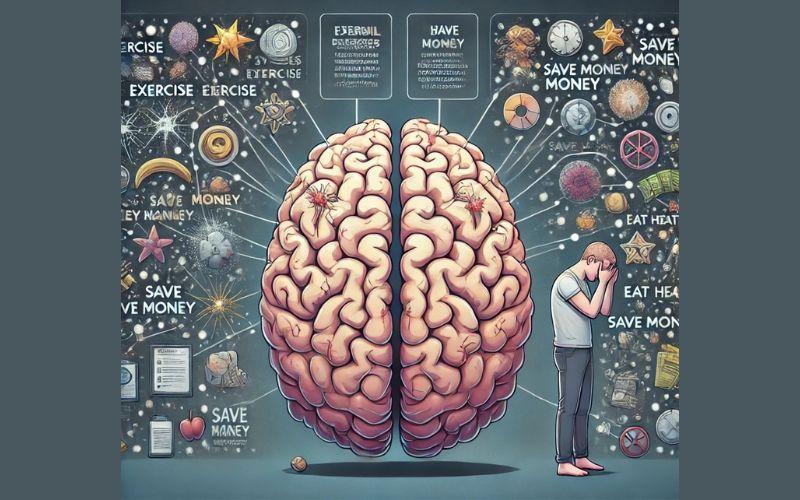
Before diving into these common psychological obstacles, it’s important to know that each of them can be overcome. Later in this blog, we’ll explore actionable strategies to address these challenges, helping you approach your resolutions with a stronger foundation.
Unrealistic Goals: One of the most common reasons New Year’s resolutions fail is that people set unrealistic or vague goals. Resolutions like “get fit” or “save more money” lack specificity, making it hard to measure progress and stay on track.
Lack of Planning: Without a concrete plan, even the most well-intentioned resolutions will likely falter. With clear steps and milestones, it becomes easier to maintain focus and motivation.
Self-Sabotage: Psychological phenomena such as self-sabotage play a significant role in the failure of resolutions. Self-sabotage often stems from underlying fears, insecurities, or a fear of failure, which can prevent you from making meaningful progress.
Cognitive Biases: Optimism bias is another obstacle to resolution success. This bias makes us overestimate our ability to stick to goals or underestimate the challenges. As a result, we’re often unprepared for the effort it takes to make lasting changes.
Temporary Motivation: It’s normal for motivation to fluctuate over time. While the initial burst of New Year’s enthusiasm might drive you to set ambitious goals, motivation naturally wanes. Being prepared for these dips in motivation can help you stay on track, even when you’re not as driven.
Building Resilience: Emotional resilience plays a critical role in maintaining long-term goals. Setbacks are inevitable, but by developing problem-solving skills, stress management techniques, and a positive mindset, you can focus on your resolutions even when things get tough.
Flexibility and Adaptability: Another key to success is being flexible and willing to adapt your goals as needed. Life circumstances can change, and adjusting your strategies can help you continue progressing, even when obstacles arise.
Minimally Stimulated Ketamine Infusion Therapy (MSKIT®) is an effective treatment for enhancing mental health, supporting emotional regulation, improving cognitive clarity, resolving trauma, and elevating mood. It promotes neuroplasticity, the brain’s ability to form new connections. This makes it particularly effective in helping individuals break free from negative thought patterns and learn new, healthier behaviors.
By improving mood and increasing neuroplasticity, Minimally Stimulated Ketamine Infusion Therapy (MSKIT®) can help individuals stay motivated and open to new habits, offering a much-needed boost in the face of discouragement or emotional fatigue.
TMS is a non-invasive treatment that uses magnetic fields to stimulate nerve cells in the brain. This therapy has been shown to improve mood, cognitive function, and emotional regulation,
TMS enhances communication between neural pathways and promotes neuroplasticity. By improving mood and focus, it makes it easier to stick to goals. When emotional or mental health challenges impede progress, TMS can provide the support needed to stay on track.
Choosing Between MSKIT® and TMS
Choosing between Minimally Stimulated Ketamine Infusion Therapy (MSKIT®) and TMS often comes down to personal preference and specific treatment goals. For those who prefer pharmacological approaches, MSKIT® offers a broader effect, promoting global connectivity across various neural networks. On the other hand, TMS provides a more targeted approach, stimulating specific areas of the brain associated with depression and anxiety, which might appeal to those looking for non-pharmacological options. Our provider will work with you to determine the best option for your needs.
Holistic Strategy: The most effective way to approach New Year’s resolutions is by integrating neuroscience and psychological strategies with supportive neurotherapy treatments like Minimally Stimulated Ketamine Infusion Therapy (MSKIT®) and TMS. This comprehensive approach ensures you address the brain’s biology, mental health challenges, and psychological barriers.
Personalized Plans: Creating a customized plan that reflects your unique needs and circumstances is vital to achieving lasting change. What works for one person might not work for another, so developing a strategy that fits your lifestyle and mental health needs is essential.
To help you develop a plan tailored to your unique needs, consider seeking support from professionals. Scenic City Neurotherapy connects patients with therapists and counselors who can offer guidance and accountability. These professionals can provide insights, personalized strategies, and regular check-ins, all of which are crucial for staying on track and overcoming challenges along the way.
Milestone Planning: Rather than setting one significant goal, break it down into smaller, manageable milestones that can be achieved over time. At Scenic City Neurotherapy, we’ve seen how this approach helps patients make steady progress and maintain motivation as they move towards larger objectives.
Habit Formation: Establish a daily routine with time dedicated to working on your goals. Routines help automate behaviors, making it easier to stick to your resolutions over time. Scenic City Neurotherapy offers tools like the Osmind app, where you can track your progress and make adjustments as needed.
Track Progress Regularly: Keeping a progress log keeps you focused and motivated. The Osmind app allows you to track your progress daily, ensuring you’re always aware of how far you’ve come and what adjustments you need.
Set Up Accountability: Sharing your goals with an accountability partner increases your chances of success. Scenic City Neurotherapy connects patients with therapists, counselors, and life coaches who can provide support and guidance as they work toward their resolutions. A support system helps keep them on track, even when motivation wanes.
New Year’s resolutions often fail due to a variety of reasons including both physiological and psychological factors. Understanding how the brain forms habits, the role of motivation, and the psychological barriers that hinder progress can help you craft a more effective strategy.
Treatments like Minimally Stimulated Ketamine Infusion Therapy (MSKIT®) and TMS offer additional support by promoting neuroplasticity, improving mood, and helping you break free from old patterns. As you approach the new year, consider reflecting on your goals and seeking professional support when needed. With the right approach, achieving lasting change and making the most of your resolutions is possible.
About Scenic City Neurotherapy
Founded in 2019, Scenic City Neurotherapy is at the forefront of advanced and comprehensive treatments for those facing treatment-resistant conditions. Our mission is to optimize brain function and elevate well-being through cutting-edge therapies. We specialize in two pioneering approaches: Minimally Stimulated Ketamine Infusion Therapy (MSKIT®) and Transcranial Magnetic Stimulation (TMS).
If you are exploring innovative solutions for mental health, chronic pain, and other neuro-degenerative conditions, Scenic City Neurotherapy offers transformative treatment options. Join us in leading the charge towards groundbreaking brain optimization treatments and empowering individuals to reclaim their lives.
Contact Founder and Chief Medical Officer, Charles Miller today to learn more about our proven protocols for Minimally Stimulated Ketamine Infusion Therapy (MSKIT®). Call 423-228-0579 or visit www.ScenicCityNeuro.com.
Written by Katherine Kessler
When it comes to treating severe depression and other mental health disorders, two prominent treatment options often come into consideration: Transcranial Magnetic Stimulation (TMS) and Electroconvulsive Therapy (ECT). Both therapies have shown significant effectiveness for individuals who have not responded to traditional treatments like medication or psychotherapy. However, while they share some similarities, TMS and ECT differ considerably in their mechanisms, side effects, and patient experiences. This blog will explore the key differences between these two treatments, providing a comprehensive understanding for those considering either option.
The National Institute of Mental Health estimates that over one in five U.S. adults, about 59.3 million people in 2022, experience mental illness. With the growing interest in advanced treatments for mood disorders, TMS and ECT have emerged as effective options. But how do you determine which one is right for you?
This blog will compare TMS and ECT, two widely recognized brain stimulation treatments. We will examine their methods, benefits, side effects, and ideal candidates. Understanding these differences will help you make an informed decision in consultation with your healthcare provider.
Transcranial Magnetic Stimulation (TMS) is a noninvasive procedure that uses magnetic fields to stimulate nerve cells in specific regions of the brain. It is most commonly used to treat depression, particularly in patients who have not responded well to antidepressant medications.
TMS targets the prefrontal cortex, a region of the brain associated with mood regulation. An electromagnetic coil is placed on the scalp during the procedure, delivering magnetic pulses to stimulate neural activity. This stimulation encourages neuroplasticity, the brain’s ability to adapt and rewire, and enhances communication between different brain parts. The goal is to enhance mood and cognitive function while alleviating depressive symptoms.
TMS is particularly beneficial for patients with treatment-resistant depression who have not found relief through traditional antidepressants or therapy. It is also an option for individuals who prefer to avoid the side effects of medication or are seeking a non-invasive treatment option.
Electroconvulsive Therapy (ECT) is a more invasive treatment that has been used for decades to treat severe depression, bipolar disorder, schizophrenia, and other mental health conditions. ECT was first developed in the 1930s, and while it has remained a treatment option, advancements in medical science have introduced less invasive alternatives with fewer side effects, such as TMS (Transcranial Magnetic Stimulation) and Ketamine Infusion Therapy.
ECT sends small electrical currents through the brain, intentionally triggering a brief seizure. These electrical impulses affect the brain’s neurotransmitter systems, which can result in improvement of depressive symptoms. The procedure is performed under general anesthesia.
ECT is typically considered when depressive symptoms do not respond to psychotherapy or antidepressant medications. However, due to its invasive nature and potential side effects, it is often considered a last resort treatment.
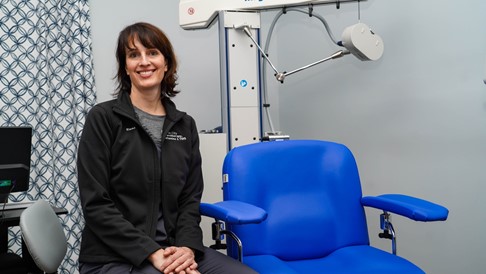
While both TMS and ECT have proven effective for treating depression, there are significant differences between the two therapies. Here, we will compare them across several key factors.
Deciding between TMS and ECT depends largely on your condition’s severity, medical history, and personal preferences. Here are a few key considerations:
Both Transcranial Magnetic Stimulation (TMS) and Electroconvulsive Therapy (ECT) are tools for treating depression and other mental health disorders, especially in cases where traditional treatments have failed. The choice between these treatments ultimately depends on your needs and circumstances.
If you or a loved one are exploring TMS or ECT, it’s crucial to consult with a healthcare provider to determine the best option for your needs. To take the next step, schedule a complimentary consultation with our Care Team at www.ScenicCityNeuro.com or call 423-228-0579.
