Written by Katherine KesslerÂ
When it comes to treating severe depression and other mental health disorders, two prominent treatment options often come into consideration: Transcranial Magnetic Stimulation (TMS) and Electroconvulsive Therapy (ECT). Both therapies have shown significant effectiveness for individuals who have not responded to traditional treatments like medication or psychotherapy. However, while they share some similarities, TMS and ECT differ considerably in their mechanisms, side effects, and patient experiences. This blog will explore the key differences between these two treatments, providing a comprehensive understanding for those considering either option.
The National Institute of Mental Health estimates that over one in five U.S. adults, about 59.3 million people in 2022, experience mental illness. With the growing interest in advanced treatments for mood disorders, TMS and ECT have emerged as effective options. But how do you determine which one is right for you?
This blog will compare TMS and ECT, two widely recognized brain stimulation treatments. We will examine their methods, benefits, side effects, and ideal candidates. Understanding these differences will help you make an informed decision in consultation with your healthcare provider.
Transcranial Magnetic Stimulation (TMS) is a noninvasive procedure that uses magnetic fields to stimulate nerve cells in specific regions of the brain. It is most commonly used to treat depression, particularly in patients who have not responded well to antidepressant medications.
TMS targets the prefrontal cortex, a region of the brain associated with mood regulation. An electromagnetic coil is placed on the scalp during the procedure, delivering magnetic pulses to stimulate neural activity. This stimulation encourages neuroplasticity, the brain’s ability to adapt and rewire, and enhances communication between different brain parts. The goal is to enhance mood and cognitive function while alleviating depressive symptoms.
TMS is particularly beneficial for patients with treatment-resistant depression who have not found relief through traditional antidepressants or therapy. It is also an option for individuals who prefer to avoid the side effects of medication or are seeking a non-invasive treatment option.
Electroconvulsive Therapy (ECT) is a more invasive treatment that has been used for decades to treat severe depression, bipolar disorder, schizophrenia, and other mental health conditions. ECT was first developed in the 1930s, and while it has remained a treatment option, advancements in medical science have introduced less invasive alternatives with fewer side effects, such as TMS (Transcranial Magnetic Stimulation) and Ketamine Infusion Therapy.Â
ECT sends small electrical currents through the brain, intentionally triggering a brief seizure. These electrical impulses affect the brain’s neurotransmitter systems, which can result in improvement of depressive symptoms. The procedure is performed under general anesthesia.
ECT is typically considered when depressive symptoms do not respond to psychotherapy or antidepressant medications. However, due to its invasive nature and potential side effects, it is often considered a last resort treatment.Â
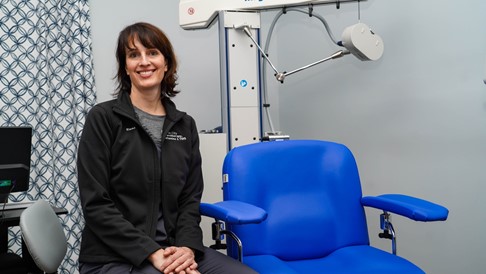
While both TMS and ECT have proven effective for treating depression, there are significant differences between the two therapies. Here, we will compare them across several key factors.
Deciding between TMS and ECT depends largely on your condition’s severity, medical history, and personal preferences. Here are a few key considerations:
Both Transcranial Magnetic Stimulation (TMS) and Electroconvulsive Therapy (ECT) are tools for treating depression and other mental health disorders, especially in cases where traditional treatments have failed. The choice between these treatments ultimately depends on your needs and circumstances.
If you or a loved one are exploring TMS or ECT, it’s crucial to consult with a healthcare provider to determine the best option for your needs. To take the next step, schedule a complimentary consultation with our Care Team at www.ScenicCityNeuro.com or call 423-228-0579.
Written by Katherine Kessler in collaboration with psychologist Beth Capecchi
As the days grow shorter and the temperature drops, many of us find our mood shifting along with the season. While it’s natural to want to cozy up indoors, for some, the winter months bring more than just a craving for comfort – they bring Seasonal Affective Disorder (SAD). If you’re someone who notices a dip in your mental health as the leaves start to fall, now is the time to take proactive steps.
We often overlook how simple daily healthy habits, such as nourishing our bodies or getting sufficient rest, can significantly improve our well-being and reduce the risk of developing anxiety, depression, or experiencing a breakdown. Start implementing these strategies this fall to prepare your mind and body for the winter ahead.
Seasonal Affective Disorder (SAD) is a type of depression that occurs at the same time each year, most commonly in the winter. To be diagnosed with SAD, this pattern must occur for at least two consecutive years and last several months. While it shares many symptoms with typical depression, such as feelings of sadness, anxiety, hopelessness, anhedonia, and fatigue, SAD has distinct characteristics.
According to the National Institute of Mental Health, millions of Americans are affected by SAD, with symptoms often emerging in young adulthood. Unfortunately, many people may not realize they have it, dismissing their symptoms as just “winter blues.”
Several factors contribute to the onset of SAD:
The body may also ‘remember’ previous winter depressions, associating colder weather and shorter days with depressive symptoms. As Dr. Bessel van der Kolk explains in The Body Keeps the Score, our bodies can store memories of past trauma or stress, which can resurface during similar conditions, like the transition to winter.
To prepare for and potentially prevent the effects of SAD, we spoke with Beth Cappechi, Ph.D. about incorporating these essential habits into your routine this fall:
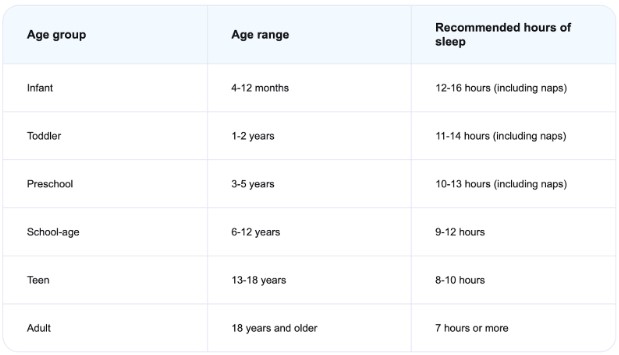

Are you doing all the right things and still not feeling the benefits? It might be time to have a chat with our Care Team at Scenic City Neurotherapy. Treatments such as Minimally Stimulated Ketamine Infusion Therapy (MSKIT®) and Transcranial Magnetic Stimulation (TMS) can support your brain’s physiology, enhancing neuroplasticity and ensuring that your healthy daily habits yield the positive results they should. Take it from our patient, Rick, who suffered from PTSD:
“If I could boil this down to one overriding thought of what the ketamine has done, it is this: I learned how to change my mind. All of the other things that I’ve been doing – meditation, yoga, better diet, controlling drinking, exercise – all of it suddenly started to work, and I was getting results. I can say now that 2022 is the best year of my life so far. I finally have a lasting sense of well-being and peace.â€
Your journey toward better mental wellness begins today with small yet meaningful steps toward a better tomorrow.
Minimally Stimulated Ketamine Infusion Therapy (MSKIT®) and Transcranial Magnetic Stimulation (TMS) are powerful tools for treating conditions like depression, anxiety, and PTSD by optimizing the way the brain communicates and promoting neuroplasticity – the brain’s ability to reorganize itself and form new connections. However, for these changes to lead to lasting improvement in mental health, they should be followed up with psychotherapy.
In psychotherapy sessions following treatment, patients work with a therapist to learn positive coping skills and develop better daily habits. This combination promotes positive changes in feelings, thoughts, and behaviors, maximizing the benefits of ketamine therapy and leading to more sustainable and profound improvements in mental health.
While it’s natural to want to nest during the winter, it’s important to recognize when these tendencies are becoming problematic. By taking proactive steps now, you can limit the impact of SAD and enjoy a more balanced, fulfilling winter season. Remember, taking care of your mental health is just as important as taking care of your physical health.
For more information or support, consider reaching out to our Care Team or Beth Capecchi. Don’t hesitate to seek help if you need it. Your well-being is worth it.
Beth Capecchi is a licensed psychologist and has been in private practice for the past 20 years, working with adolescents and adults. She is married and has three teenagers. Beth enjoys working with a variety of issues, including relationship issues, self-esteem, anxiety, depression, family issues, grief, addiction issues, family of origin issues, trauma work, and more.Â
She founded Grounded Counseling in 2013. In March 2021, she launched the mental health podcast Never Perfect with an ADHD psychologist, and Charles Miller from Scenic City Neurotherapy was featured in one episode. In March of this year, she launched a faith podcast called Never Perfect Faith. Check out her website neverperfect.org for more information.
Founded in 2019, Scenic City Neurotherapy is at the forefront of advanced and comprehensive treatments for those facing treatment-resistant conditions. Our goal is to excel in opioid free pain management and mental health treatment, setting a standard of care that results in better outcomes and improved brain health. We specialize in Minimally Stimulated Ketamine Infusion Therapy (MSKIT®) and Transcranial Magnetic Stimulation (TMS) Therapy.
If you’re seeking innovative solutions for mental health, chronic pain, or neurodegenerative conditions, Scenic City Neurotherapy offers transformative treatment options. Join us in advancing brain optimization and empowering individuals to reclaim their lives.
Contact Charles Miller, Founder and Chief Medical Officer, to learn more about our Minimally Stimulated Ketamine Infusion Therapy (MSKIT®) and Transcranial Magnetic Stimulation (TMS) protocols. Call 423-228-0579 or visit www.ScenicCityNeuro.com.
Peeling back the layers of mental health stigma reveals a complex and pervasive force that shapes perceptions and experiences, often eluding easy definitions. In this blog post, we delve into the profound insights shared by professionals in the mental health industry, shedding light on the challenges of stigma and offering actionable strategies for fostering inclusivity and support.
As Sheaba Chacko, LPC-MHSP recently shared with us:
“A social stigma is a critical attitude toward something you don’t want to be associated with because of the cost involved.â€
This powerful statement captures the essence of this blog post.
Stigma, an intangible force that shapes perceptions and experiences, often eludes easy definition. It’s a concept packed with emotions and implications, yet its true core can be difficult to understand.
To peel back the layers of stigma and gain a deeper understanding, we reached out to professionals in the mental health industry with a simple yet profound question: What does stigma mean to you?
Please read this blog with an open mind and a compassionate heart. Let’s embrace the diverse perspectives, understanding their importance in shedding light on the complexities of mental health stigma.
Responses have been lightly edited for length and clarity.
Stigma, fueled by misconceptions and fear of the unknown, is a type of stereotyping generated by groupthink. Instead of seeking understanding, we tend to ‘other’ individuals, including ourselves, creating separation and isolation from supportive connections.
I see the pervasive damage caused by stigma. Many challenges in this world could be easily solved if we understood that not only bad things can happen to me and those I love, but that bad things happening to other people is bad for me too.
For example, I always ensure a full tank of gas to avoid getting stranded. Witnessing others run out of gas, it is easy for me to think they have been lazy or reckless. But recently, my own mechanical issue nearly left me stranded. It reminded me that anyone can face this! It caused a traffic jam, impacting others. Those behind me had a choice: watch me struggle or lend a hand. Despite embarrassment, those who helped benefited everyone.
In other scenarios, stigma stops me from asking for help because I don’t want to be embarrassed. Stigma stops people from helping me because they don’t think it could happen to them, or that maybe I even deserve the consequences. At the end of the day, we all end up in the traffic jam.
Stigma refers to the disapproval, disgrace, or discrimination associated with a particular circumstance, quality, or person. In the context of mental illness, stigma often manifests as negative stereotypes and prejudiced attitudes towards individuals who experience mental health issues. These negative perceptions can arise from misunderstanding, fear, or culturally ingrained prejudice, and they frequently distort public perception of mental illness.
I see stigma played out every single day with a loved one with mental illness. It’s a label that is given to my loved one built upon surface value. Maybe it begins with a first impression, with the way they look, the way they present themselves. However it begins, stigma can grow rapidly – like a cancer.
Stigma is an internal bias that is displayed through words, actions and discriminatory beliefs toward my loved one. It holds my loved one back, limits their potential and threatens an otherwise promising future. It is often cloaked in the form of “concern†but what it really is, is a negative belief and stereotype about someone that is built upon ignorance and judgment.
Viewed through the perspective of a seasoned firefighter, mental health in emergency services was often equated to ironclad stoicism when dealing with the pressures and traumas experienced in the field. Signs of a greater problem (I.e. substance abuse, depression, anxiety, irritability, sleep problems, relational struggles, etc.) were often labeled as “part of the jobâ€, sometimes even championed, because as a rookie they had now joined the ranks of those who had “seen thingsâ€.
The stigma told us that if a crew member was struggling, it was clearly a chink in their armor, and they just weren’t cut out for the job. You can imagine how difficult it was to even consider seeking help. Words like “weak,†“unfit for duty,†and “attention hog†would be tossed around among the department.
If a member dared to push through the first layer of stigma, they still had the struggle of finding an affordable mental health professional who understood the nuances of trauma exposure within emergency services.
Change was slow as administrations remained uneducated about mental health. The support for first responders just wasn’t there. But as the stigma begins to dissolve on both local and national levels, mental health is becoming prioritized in tangible ways: peer support teams, employee assistance programs, training for both fire departments and mental health professionals, and legislation.
It’s encouraging to note that much of the stigma surrounding mental health is being addressed and is evolving, as older members become educated and shift their understanding of what mental health entails, while younger generations bring their awareness and new perspective on what it means to maintain mental balance.
In the context of mental illness, stigma represents the negative feelings and judgments directed towards people, our family, or our son because of his mental health condition. Stigma creates a lot of assumptions by others about us, and those assumptions can defy reality.
Let’s talk about stigma in a social context. I’m going to argue that you can’t overcome social stigma without understanding where it comes from. A social stigma is a critical attitude toward something you don’t want to be associated with because of the cost involved.
What cost you ask? I’d say the price tag of rejection. As a species, we are programmed to “do the rejectingâ€, not “be the rejectedâ€.
If you look at our evolutionary history, there was a time where rejection could easily mean the difference between life or death. Since resources were so limited at the time, division within the group could actually cause the entire group to collapse!
So, the people who challenged group cohesion were cut off and the people who supported group cohesion were allowed to stay.
Even though we are currently the most resourced that we have ever been, the programming to “disapprove of†and “cut off†what is inconvenient, challenging, or daunting – does not die easily. For the stigma surrounding a subject to disappear, I would insist that the social benefit of associating with the subject has to clearly outweigh the social cost of associating with it.
The insights shared by this group makes it clear that stigma surrounding mental illness permeates our society, affecting individuals and communities in profound ways.
“We have more road rage, less patient teachers, and burned out nurses. We have a sicker population. We have well-trained people leaving the workforce. We have weaker families because mom or dad cannot be emotionally present. We have more emotionally reactive police officers due to traumatic experiences they’ve encountered while on duty. Stigma costs us all a lot.†– Ami Miller, Scenic City Neurotherapy
The group’s viewpoints provide insights into the complexities of stigma and offer actionable strategies for collective action against it.
Now, let’s explore their recommended approaches for addressing stigma and discrimination against individuals with mental illness.
Here are the common themes that emerged from their feedback.
Embracing the facts is vital—knowing that one in five Americans struggles with mental illness highlights its prevalence.
Education is the foundation of change, and when it comes to mental health, it’s no different. Understanding the people behind the diagnosis, not just the diagnosis itself, is crucial in breaking down barriers.
There’s no universal solution for individuals living with mental health challenges or their caregivers. However, having a variety of helpful ideas at hand can make a significant difference in providing support.
By providing accurate information and fostering awareness, we can dispel myths and pave the way for a society that embraces mental health with compassion and understanding.
Myth: Mental illness is rare.
→ Reality: Mental health conditions are more common than many people assume, impacting millions worldwide, as reported by the World Health Organization.
Myth: People with mental illness are violent or dangerous.
→ Reality: Individuals with mental illnesses are more likely to be victims of violence than perpetrators.
Myth: Mental illness is a result of personal weakness.
→ Reality: Mental health issues are a result of changes in the brain due to trauma or stress. They are complex conditions that can arise from various factors including biology, environment, and life experiences.
Just as we openly discuss physical illnesses like diabetes or cancer, it’s time to destigmatize mental illness through education – by having open, caring conversations, understanding its nuances, and learning effective management strategies.
The more we openly discuss mental wellness, the more normalized it becomes.
Sharing personal stories fosters empathy and acceptance, essential ingredients for eradicating stigma.
“My neighbor saw my son in crisis and walked him back home. They treated him as a human being who was having trouble thinking clearly and needed a friend to help him. Later, they told me what happened and asked how we were doing. They didn’t judge or ask too many questions. They just cared and wanted to make sure we were okay.†– Laura Pierce, NAMI
Personal stories like this one serve as powerful reminders of the impact of empathy and compassion. In this instance, the neighbor saw a fellow human in need, not just a diagnosis.
What makes this story resonate is the absence of judgment or intrusion. It was a simple act of kindness driven by love and concern, with no agenda other than to offer help. We must treat individuals who battle mental health challenges with dignity and respect, recognizing their humanity above all else.
Personal stories about mental health reveal genuine experiences, showing that anyone, even those with seemingly perfect lives, can be affected. By sharing our narratives, we inspire empathy and acceptance, fostering a deeper understanding of the experiences of those living with mental health conditions.
Empathy, the ability to understand and share the feelings of others, is a powerful tool in nurturing compassion and support for those facing mental health challenges. It’s more than just an occasional gesture – it’s a habit that we must actively cultivate in our daily lives.
At the heart of empathy lies the realization that mental illness can happen to anyone. We are all dispelling the disbelief that something like mental illness, cancer, or divorce could not happen to me…until it does.
By acknowledging our own potential to experience mental health issues, and believing that none of us are immune to life’s challenges, allows us to open ourselves up to understanding and connecting with others who may be going through similar struggles.
Making empathy a habit involves actively listening to others, validating their experiences, and offering support without judgment. It means taking the time to truly understand someone else’s perspective and emotions, even if they differ from our own.
To end the social stigma surrounding emotional, mental, and behavioral health, we need a united effort from all segments of society. This viewpoint, expressed by a member of the group, Sheaba Chacko, emphasizes the necessity for those who hold positions of power, privilege, and influence – the ‘in group’ – to actively reach out and build bridges to the ‘out group’.
It’s a top-down approach that starts with normalizing and demonstrating inclusive ways of talking about mental health. Whether you’re a parent, teacher, coach, mentor, boss, athlete, or older sibling, your role in shaping conversations about mental health matters.
When those in positions of authority lead with courage and kindness, they pave the way for radical change. By spearheading conversations and demonstrating acceptance, they help reduce the fear of rejection surrounding the topic.
As social stigma decreases and social approval increases, resources for addressing mental health barriers will flow more freely. By building bridges between societal groups, as advocated by Sheaba Chacko, we can create a more supportive and inclusive environment where everyone has access to the resources they need for overall wellness.
“As a caregiver to a loved one with mental illness, stigma scares me. Perpetual stigma will limit my loved one’s future; their ability to have a happy, whole life. It scares me that my loved one is never going to accomplish all that they could because of a misdirected and uneducated cultural bias. My loved one didn’t ask for a diagnosis. They deserve better. They deserve to have every opportunity, every chance to contribute to society. Stigma will hold them back, limit their achievements and darken their spirit. When I think about stigma, I think about how as a country we need to develop stronger employment laws built upon diversity, equality and inclusion.†– Eddie Grant, NAMI
Eddie’s testimony reinforces the urgent need for action in the fight against stigma and injustice. It reminds us of the impact systemic biases have on individuals and their opportunities for a fulfilling life.
Fighting for equity means advocating for justice in all aspects of life. Equity entails delivering the necessary resources and support in the appropriate time, location, and manner tailored to individual needs. It’s about challenging systemic inequalities and ensuring that everyone has equal access to opportunities and resources.
This pursuit of equity requires courage, resilience, and commitment. It involves speaking out against discrimination, oppression, and injustice wherever they exist.
Words hold immense power, and by consciously choosing to speak out, we can create a more supportive and compassionate environment.
Whether it’s advocating for marginalized communities, fighting for equal rights, or pushing for policy changes, the fight for equity is a continuous battle. It’s about standing up for what is right, even in the face of adversity.
As we conclude our exploration into the stigma of mental health, I encourage you to carry forward the insights shared by these experienced professionals. Remember that stigma is not just an abstract concept – it’s a pervasive force that shapes our perceptions and experiences, intentionally or not.
Stigma is a barrier that limits opportunities, darkens spirits, and perpetuates inequalities.
We have the power to take collective action in challenging stigma, creating a more informed and inclusive society.
It’s a collective effort – one that requires courage, resilience, and commitment.
Take action by applying lessons learned and embracing the perspectives shared. Together, You and Scenic City Neurotherapy can work towards a world where stigma is powerless, and where every person is valued, respected, and supported on their journey to better wellness.
In “Embracing Better with PTSD,†we interview Anna McCurdy, a trauma-focused therapist, covering her work with PTSD and how it pairs with the Ketamine Infusion and TMS Therapies offered at Scenic City Neurotherapy. We also welcome Josh, a veteran and special guest, who shares his firsthand experiences with Ketamine Infusion Therapy and PTSD, explored further in this blog post. Listen now on our Research & Resources page.
Josh, a veteran, battled with PTSD and severe depression for years, trying various medications and treatments with little success. His journey towards healing took a significant turn when his wife found Scenic City Neurotherapy (SCN) after more than a decade of struggles. Despite initial reluctance and skepticism, Josh wound up at our clinic, motivated by the support of his loved ones. Josh shared that he had exhausted a long list of medications and treatment methods that led only to disappointment. He had reached a point of resignation and felt indifferent towards finding relief. However, willing to appease his wife’s determination, Josh decided to give ketamine infusion therapy a try. He completed the Stabilization Phase at our clinic, consisting of six infusions over three weeks.
“It took multiple attempts of not coming or refusing before they got me down there. It’s been the best by far [in terms of] effectiveness on a long term basis,†says Josh.
Josh didn’t notice immediate changes, but gradually, he began to experience a subtle shift. He described feeling “better†and echoed a phrase frequently employed at SCN, indicating progress rather than perfection.
“We use the term better a lot. Better doesn’t always mean good. It means better than it was. Less bad. We’re moving things forward, but better is the goal,†says Charles Miller, CMO and Founder of SCN.
Josh’s healing journey was not always smooth, nor was it always “better.†But two undeniable facts remained: he was not constantly consumed with negativity, and he did not constantly hate everything. Josh slowly progressed to enjoying things he once hated and explained that, while it took time, he does not know how he used to think previously. Charles Miller elaborated on Josh’s progress, emphasizing the importance of incremental improvements. He noted a significant moment when Josh decided to trash a chair symbolically tied to his struggles. This choice, motivated by his own determination, marked an important step towards regaining control over his life.
“One of the things that we always struggled with was this chair at home. It was his chair, and he would always go back to the chair because one of his outlets was just to get lost in video games… Well, we noticed that he had pain attached to his PTSD, and the worse the symptoms of PTSD got, the more the pain would increase. Every time he would get back in the chair and play video games, he felt this pain. He [Josh] identified this. I did not. It was to the point that his wife came in, said he’d thrown the chair out, and that she used that chair too. She said, ‘So now we don’t have that chair.’ It was the best thing he ever did because HE made the change. He removed the barrier. It was symbolic,†said Charles Miller.
Josh’s dedication to getting better did not go unnoticed. Charles praised his resilience, highlighting his transition from a nonfunctional state to leading a fulfilling life. Regular exercise became a part of Josh’s routine, and his wife expressed joy in having her husband back. In addition to his podcast interview, Josh shared his experience with me directly, stating, “Skip forward to about a year after I started treatments with Scenic City Neurotherapy. I made more improvement in that one year than the other six combined that I depended on alternative modalities.â€
To this day, Josh remains committed to his mental health, understanding that it is a lifelong journey. He’s attuned to the signs—feelings of anxiety, overwhelming stress, worthlessness, and suicidal ideation—that prompt him to schedule booster infusions. The boosters help address these signs of his mental health symptoms returning, ensuring they do not become more severe or reoccurring.
“It’s [booster infusion] going to do what it does whether I want it to or not… I can use that to focus on my coping mechanisms,†says Josh. With ketamine infusion therapy and positive coping mechanisms as his tools, Josh knows that he is equipped to confront life’s challenges head-on.
In sharing his story, Josh hopes to inspire others battling similar demons, reminding them that healing is possible with perseverance and the right support system. His story sheds light on the road to managing and overcoming symptoms of PTSD and depression.
In the wise words of Josh, “Start getting out of your own way.â€
Scenic City Neurotherapy is a trusted VA Community Care Provider. All veterans with a VA referral receive coverage for the cost of care. Our treatments do not require medication trials for coverage. To receive coverage, a VA referral is necessary to consult with our providers, and to begin treatment with Scenic City Neurotherapy. If you do not have one yet, we recommend reaching out to your local VA medical center to get started on this crucial first step.
Upon receiving your VA referral, we will contact you to schedule a consultation.
Are your goals buried under heaps of procrastination? Let’s unearth them in our 31-Day Spring Clean Your Life Challenge, starting March 18th!
When we talk about spring cleaning, it’s usually in the context of sprucing up our living spaces, right? We scrub floors, declutter closets, and vacuum the corners we’ve neglected all winter.

But what about ourselves? What about our mental and emotional clutter?
Sure, a spotless house is satisfying, but true fulfillment comes from clearing out the cobwebs within. That’s why our challenge isn’t just about cleaning your home—it’s about straightening up every aspect of your life. Our golden rule at Scenic City Neurotherapy: it’s hard to have good mental health if your life doesn’t support it. That’s why we are digging deep into five key areas of wellness: mental, emotional, physical, environmental, and social.
By getting involved in our spring cleaning challenge, you’ll reap the benefits, including:
Ready to roll up your sleeves and grab hold of these benefits?

We’ve done the groundwork for you, breaking down the challenge into manageable daily tasks. The best part? You can tackle it at your own pace, whenever it fits into your schedule.
Follow us on Instagram and Facebook @sceniccityneuro for weekly updates starting March 18th. We’ll provide a rundown of the week ahead every Monday (3/18, 3/25, 4/1, 4/8, and 4/15), along with links to handy templates, tips, and resources to support you along the way.
Alrighty, time to spill the tea on how to get yourself all squared away for the thrills of week one!
Make sure to download your free 31-Day Spring Clean Your Life Calendar so you can join us as we tackle this challenge together!
Revisit this blog weekly for a downloadable guide packed with useful templates, expert tips, and valuable resources.
Week 1 (3/18-3/24) : EMOTIONAL WELLNESS
Week 2 (3/25-3/31): PHYSICAL WELLNESS
Week 3 (4/1-4/7): MENTAL WELLNESS
Week 4 (4/8-4/14): ENVIRONMENTAL WELLNESS
Week 5 (4/15-4/17): SOCIAL WELLNESS
Join the challenge and share your journey with us and your friends! Tag @sceniccityneuro—we can’t wait to see your progress. Let’s spring clean our lives together!
